

Kapampángans have different way of preparing the Betel nut chew. … Continue Reading →
Siwálâ: Kapampángan Vowels
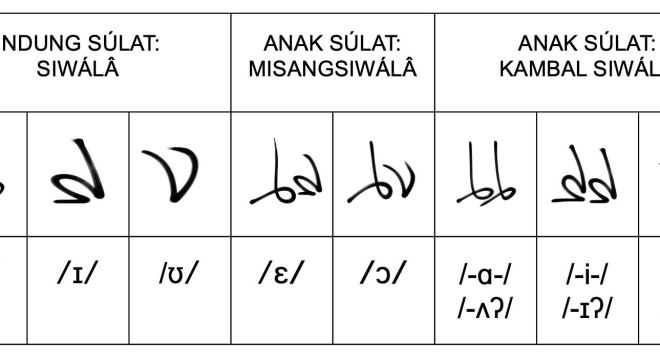
SIWÁLÂ ~ Kapampángan Vowels Kapampángan has three basic vowels known as Indung Siwálâ ‘mother vowels’ that give birth two sets … Continue Reading →
Remembering Mabatang, the Kapampángan enclave in the town of Abucay in the province of Bataan.

Ápung Moises, whose Philippine legal name was José Bautista, and who at 96 years old in 2008, was the oldest … Continue Reading →
Ulikbâ

ULIKBÂ (烏雞肉), native black chickens in Indung Kapampángan that have become rare due to over consumption. Their black meat is … Continue Reading →
Káyus & Akdut
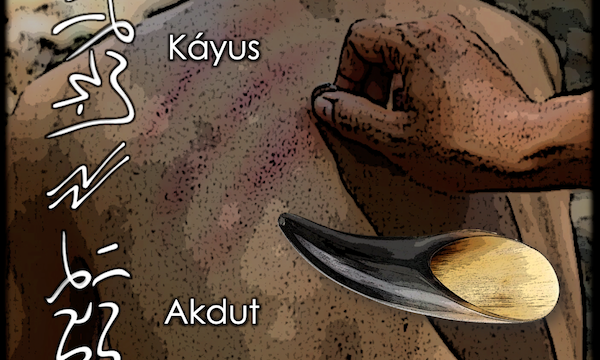
KÁYUS (scraping) and AKDUT (pinching) are another traditional Kapampángan therapy for a number of ailments. Culturally, Kapampángans believed that certain … Continue Reading →
Tanduk

TANDUK (Tandoc) is the Kapampángan word for the traditional cupping therapy commonly known by its Spanish name “ventosa.” Traditionally, Kapampángans … Continue Reading →
On Kapampángan Surnames

An article on Filipino surnames has been going around Facebook recently. For some reason my comments on that article were … Continue Reading →
Different Ways of saying “love” and “I love you” in Kapampángan

Whenever people ask me to translate words like “beloved” and “for the one I love” I always have to risk … Continue Reading →
ÓKUÎ, an all-time favourite Kapampángan Snack

ÓKUÎ (芋粿), that favourite Kapampángan afternoon snack of deep fried shrimp cake with a spicy vinegar dip, is from Hokkien … Continue Reading →
Násîng Biringyi, a Kapampángan Pre-colonial Dish
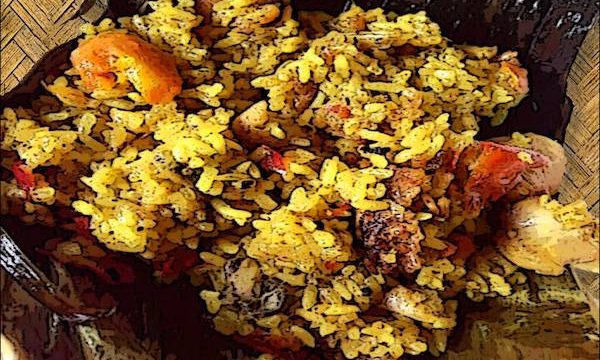
BIRINGYI or NÁSING BIRINGYI, a Kapampángan rice dish served on special occasions that is made with ABIAS ‘plain rice’ mixed … Continue Reading →